 There are several areas of the legal profession which will remain timeless; it is from these areas that learning from the mistakes of others is critical to ensuring long, stable careers for ourselves. Better yet, learning from mistakes made by fictitious characters has become the standardized norm by which the rules of professional responsibility is taught. The Firm, a film adaptation of John Grisham’s novel by the same name, teaches attorneys about the repercussions which may results from their glaring professional responsibility mistakes. (SPOILER ALERT). Mitch McDeere, played by Tom Cruise, is a recent law school graduate who has been hired by a blue chip firm half-way across the country. After becoming deeply entangled with the firm, he learns the firm represents a mob family. McDeere’s dilemma becomes whether to risk his life leaving the firm or continue representing an alleged crime family. Ultimately, McDeere uses the information that the firm had been overcharging the family/clients to convince the family to pardon him for having likely exposed them to scrutiny by the FBI.
The message we may take away comes from what McDeere’s mentor, Avery Tolar played by Gene Hackman, tells him once he joins the firm: “Everything depends on billing, how many hours you spend even thinking about a client…I don’t care if you’re stuck in traffic or shaving or sitting on a park bench.” Rule 1.5 of the North Carolina Rules of Professional Conduct covers fee and fee-related conduct. Briefly, a lawyer shall not make an agreement for, charge, or collect an illegal or clearly excessive fee or charge or collect a clearly excessive amount for expenses. The factors to be considered in determining whether a fee is clearly excessive include the time and labor required relative to the novelty of the issue, likelihood that employment by potential client will preclude other employment, customary fees, time and limitations, relationship with the client, whether the fee is fixed or contingent, etc.
Here, the mob family had deep ties with the blue chip firm for some time. There was no exclusivity in time spent relative to other potential work the firm may have conducted outside of illicit activities conducted through the firm (i.e., hiding mob proceeds offshore).
McDeere learns the firm is overcharging the family and uses this information to get out of potential trouble with the family. McDeere tells the family he needs their permission to forward the family’s invoices to the government in order to take care of the overbilling. The error in regard to procedure is McDeere’s explanation to the mob family/clients that the FBI has any hand to play in attorneys overcharging their clients. The use of mail fraud to give the federal agency leeway to investigate the firm is a completely separate issue from the compensation agreements between the firm and the family relative to the family receiving any type of remedy. This is another example of where films take poetic license for the sake of the plot and do not differentiate between criminal and civil liability.
Procedurally in North Carolina, subsection (f) of Rule 1.5 provides disputes regarding a fee for legal services must go through the North Carolina State Bar’s program of fee dispute resolution. Attorneys must provide proper notice if they are claiming the dispute; attorneys must act in good faith if the clients submit a proper dispute request.
McDeere had made backups of the family’s legal files as insurance in case his plan did not go smoothly. Ultimately, he explained to the mob family, “Whatever I know, wherever I go, I am bound to attorney-client privilege. I am exactly a ship carrying a cargo that will never reach a port. As long as I am alive, the ship will always be at sea.” McDeere receives the authorization from the mob family to release copies of the family invoices to the FBI, and ultimately leaves the firm with his life. The moral of the story is attorneys should not overbill their clients; also, attorneys should not overbill the mob. The Firm is available in the Charlotte School of Law Library DVD collection.

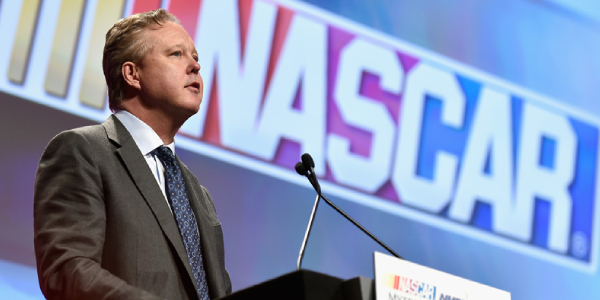 NASCAR and Charlotte School of Law are proud to co-host the inaugural NASCAR Negotiation Competition in North Carolina (“NC3”) from November 13 – 15, 2015 in Charlotte, NC.
 Because of changes in the legal profession, legal education also much change. Charlotte School of Law was designed and developed by legal educators who realized that old models of legal education must be improved upon. Our mission is to become the “benchmark of excellence” for the 21st century. In an effort to further our mission, CharlotteLaw continually seeks out innovative opportunities to equip our students with practice-ready skills.